

Coffee
Robusta vs. Arabica: A Head-to-Head Comparison for Coffee Lovers
Aug
Ever stood in the coffee aisle, staring at bags labeled “100% Arabica” and wondering what it really means for the taste in your cup? Or perhaps you’ve downed a powerful espresso on a sleepy afternoon and felt an unmistakable, potent kick that seemed stronger than usual. The secret to these different experiences isn’t just the brewing method or the roast level; it lies in the very DNA of the coffee bean itself.
Welcome to the world’s most significant coffee rivalry: Robusta vs. Arabica. These two species dominate the global coffee market, yet they are worlds apart in nearly every aspect, from their flavor and aroma to their caffeine content and even the shape of the bean.
Understanding the distinction between them is the single most important step you can take to elevate your coffee knowledge and consistently choose a brew you’ll love. By the end of this comprehensive guide, you will be able to confidently navigate the world of coffee, understand exactly what you’re buying, and know precisely which bean is the perfect match for your personal palate and caffeine needs.
What is Arabica Coffee? The Smooth & Aromatic Favorite
When you think of “gourmet” or “specialty” coffee, you are almost certainly thinking of Arabica. Accounting for over 60% of the world’s coffee production, Coffea arabica is the undisputed champion of the specialty coffee scene. Its story begins in the ancient coffee forests on the Ethiopian plateau, where the beans were first discovered and cultivated.
The defining characteristic of Arabica is its complexity. It’s a bean that speaks in nuances, offering a dazzling spectrum of flavors and aromas.
Key Characteristics:
- Complex and Aromatic: The aromatic profile of a high-quality Arabica bean is its calling card. It can be intensely fruity, with notes of berries, citrus, and stone fruit. It can also be delicately floral, evoking the scent of jasmine or honeysuckle. Others might present sweet notes of caramel, chocolate, or nuts. This complexity is what coffee connoisseurs celebrate and analyze, much like a sommelier would with a fine wine.
- Bright Acidity: In the coffee world, acidity is a highly desirable trait. It refers to the bright, tangy, and vibrant quality that makes a coffee feel lively on the palate. Think of the pleasant tartness of a green apple or a juicy orange. This quality is a hallmark of Arabica beans, giving them a clean, crisp finish.
- Smooth, Soft Body: “Body” or “mouthfeel” refers to the weight and texture of the coffee in your mouth. Arabica typically has a lighter, smoother body, creating a refined and elegant drinking experience that isn’t overpowering.
Growing Conditions:
Arabica’s exceptional quality comes at a price—it is a notoriously finicky and delicate plant. It demands very specific growing conditions to thrive:
- High Altitudes: It must be grown at high elevations, typically between 600 and 2,000 meters (about 2,000-6,500 feet).
- Specific Climate: It requires a steady climate with consistent rainfall and mild temperatures, never touching freezing.
- Vulnerability: It is highly susceptible to pests, diseases like coffee leaf rust, and the effects of climate change.
These demanding horticultural needs mean that Arabica is more difficult, labor-intensive, and expensive to cultivate, which is directly reflected in its higher price tag on the shelf.
What is Robusta Coffee? The Bold & Powerful Contender
If Arabica is the elegant aristocrat of coffee, Robusta is the hardworking, resilient powerhouse. As its name suggests, Coffea canephora (the species name for Robusta) is a much hardier and more… well, robust plant. Originating in the hot, humid forests of sub-Saharan Africa, Robusta now accounts for a little under 40% of the world’s coffee production and plays a vital, though often misunderstood, role.
Robusta is a coffee of extremes. It’s unapologetically bold, intensely flavored, and packs a serious caffeine punch.
Key Characteristics:
- Bold and Strong Flavor: Robusta’s flavor profile is the polar opposite of Arabica’s. It is low in acidity and high in bitterness, delivering a deep, powerful, and straightforward “coffee” taste. Common flavor notes include dark chocolate, nuts, and a distinct rubbery or earthy quality. While this might sound unappealing to some, a high-quality Robusta can offer a satisfyingly rich and intense experience.
- Produces a Thick, Stable Crema: This is Robusta’s secret weapon, especially in the world of espresso. Crema is the reddish-brown foam that rests on top of a shot of espresso. Robusta beans produce a significantly thicker, more stable, and longer-lasting crema than Arabica beans, a quality highly prized by many espresso lovers and baristas.
- High Caffeine Content: We’ll dive deeper into this later, but this is arguably Robusta’s most famous trait. It contains much more caffeine than Arabica.
Growing Conditions:
Robusta’s resilience is its greatest agricultural advantage. Unlike the delicate Arabica, Robusta can flourish in a wider range of environments.
- Climate Tolerance: It thrives in hot, humid climates and can be grown at lower altitudes.
- Disease Resistance: It is naturally resistant to most pests and diseases. Interestingly, its high caffeine content acts as a natural defense mechanism, warding off insects.
This hardiness makes Robusta easier, cheaper, and more reliable to grow, resulting in a higher yield per plant and a significantly lower market price.
The Ultimate Showdown: Arabica vs. Robusta Side-by-Side
Now that we’ve met the contenders, let’s put them in the ring for a direct comparison across the factors that matter most to you, the coffee drinker.
Flavor Profile: Sweetness vs. Boldness
This is the most subjective but crucial difference. Drinking an Arabica is like listening to a symphony, with layers of delicate notes working in harmony. You might detect a hint of blueberry, a whisper of jasmine, or a finish of caramel. Its higher concentration of natural sugars and lipids contributes to this aromatic complexity.
Drinking a Robusta is like listening to a rock anthem. It’s powerful, direct, and intense. The flavor is dominated by deep, earthy tones—think dark, bitter chocolate, toasted nuts, and even a hint of burnt rubber or wood. It lacks the nuanced sweetness of Arabica, offering a bold and uncompromising coffee experience instead.
Caffeine Content: The Biggest Difference
If you drink coffee for the energy kick, this is the metric you need to watch. The difference in caffeine is not small; it’s massive.
- Arabica beans have a caffeine content of around 1.5% by weight.
- Robusta beans contain 2.5% or more caffeine by weight.
This means that, cup for cup, a coffee made with Robusta beans can have double the caffeine of one made with Arabica. This is why a Robusta-heavy espresso blend can feel so potent and why it’s the bean of choice for many instant coffee brands aiming to deliver a maximum jolt.
Acidity and Bitterness
Arabica’s hallmark is its higher acidity, which translates to a bright, tangy, and clean taste on the palate. This is due to a higher concentration of desirable organic acids that develop during the growing and roasting process.
Robusta, on the other hand, is lower in acidity but much higher in bitterness. It contains higher levels of caffeine and Chlorogenic Acids (CGAs), compounds that are known to create bitter flavors, especially after roasting. This gives Robusta its characteristic strong, biting finish.
Sugar & Lipids (Oils)
The chemistry tells the story of the taste. Arabica beans contain nearly twice the concentration of natural sugars and 60% more lipids (oils) than Robusta beans. During roasting, these sugars caramelize, creating hundreds of the aromatic compounds that give Arabica its incredible flavor range. The higher lipid content also contributes to a smoother, richer mouthfeel. Robusta’s lower sugar and lipid content is a key reason for its more one-dimensional, bitter flavor profile.
Price & Cultivation
As we’ve touched on, the market price is a direct reflection of the farming process.
- Arabica: Difficult to grow, lower yield per hectare, and vulnerable to disease and climate. Result: More Expensive.
- Robusta: Easy to grow, higher yield per hectare, and resilient to harsh conditions. Result: Less Expensive.
Bean Shape
You can even tell the difference just by looking at the beans.
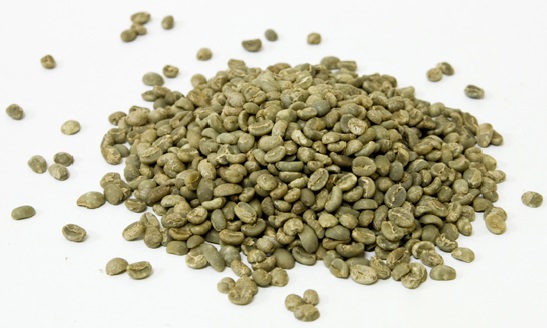
- Arabica beans are typically larger and have a more oval shape. The crease down the middle is often slightly curved.
- Robusta beans are smaller, rounder, and more circular. The crease in the middle is generally straighter.
Common Uses
Each bean has found its niche in the coffee industry.
- Arabica: It is the undisputed king of the specialty coffee market. It’s used for single-origin pour-overs, drip coffee, French press, and high-end espresso where flavor complexity is the primary goal.
- Robusta: It is the workhorse. It’s a key component in many espresso blends, where it’s added to boost caffeine and produce a thick, stable crema. Its bold flavor also stands up well to milk and sugar, making it suitable for drinks like Vietnamese iced coffee. And due to its low cost and high caffeine, it is the primary bean used for instant coffee.
Quick Comparison Table: Arabica vs. Robusta
| Feature | Arabica | Robusta |
| Flavor | Sweet, Fruity, Floral, Complex | Bold, Strong, Chocolatey, Earthy |
| Caffeine | Lower (~1.5%) | Higher (~2.5%+) |
| Acidity | Higher | Lower |
| Bitterness | Lower | Higher |
| Body | Softer, Lighter, Smoother | Fuller, More Viscous |
| Bean Shape | Oval | Circular |
| Sugar Content | Higher | Lower |
| Cost | More Expensive | Less Expensive |
| Common Use | Specialty Coffee, Drip, Pour-Over | Espresso Blends, Instant Coffee |
| Read : The Ultimate Robusta Coffee Guide: History, Flavor Profile, and Brewing Tips
So, Which Bean is Right For You?
After all this, the final decision comes down to your personal preference. Let’s make it simple:
- Choose Arabica if… You are a coffee purist. You enjoy savoring complex aromas and delicate flavors in your black coffee. You prefer a smoother, less intense cup and use brewing methods like pour-over, Chemex, or French press that highlight nuance. You are sensitive to caffeine or simply don’t need a massive jolt.
- Choose Robusta if… You are driven by caffeine. You need a powerful boost to start your day or power through a slump. You love a strong, bold, and unapologetically bitter coffee flavor. You are an espresso aficionado who prizes a thick, rich, and long-lasting crema above all else.
- Don’t Forget The Power of Blends: It’s important to remember that it’s not always an either/or choice. Many of the most beloved espresso blends around the world are a carefully crafted mix of both beans. Baristas use Arabica for its aromatic complexity and sweetness, then add a small percentage of Robusta to add caffeine, body, and that beautiful, picture-perfect crema.
Conclusion: It’s Not a Competition, It’s a Preference
The battle between Robusta and Arabica isn’t about one being definitively “better” than the other. It’s about understanding their unique personalities and choosing the one that fits the moment. Arabica is the complex, aromatic bean that invites you to sit down and savor every sip. Robusta is the bold, caffeine-heavy workhorse that gets the job done.
The true beauty of coffee lies in this diversity. The next time you shop for beans, look beyond the fancy packaging. Read the label, understand the origin, and now, identify the species. Armed with this knowledge, you are no longer just a coffee drinker—you are a conscious consumer, ready to explore the vast and delicious world of coffee with confidence.
What’s your go-to bean? Are you firmly on Team Arabica, a proud member of Team Robusta, or do you prefer a blend of both? Share your favorite in the comments below!
Frequently Asked Questions (FAQ)
- Q1: Is Robusta coffee just “bad” coffee?
- A: Absolutely not! This is a common misconception. While low-grade Robusta is used for cheap instant coffee, high-quality Robusta is a prized component in many of the world’s finest espresso blends for its rich flavor, full body, and excellent crema. Like any agricultural product, quality varies greatly.
- Q2: Which coffee is healthiest?
- A: Both coffee types are rich in antioxidants and have been linked to various health benefits. Robusta actually contains a higher concentration of antioxidants (specifically, Chlorogenic Acids) than Arabica. However, the “healthiest” choice ultimately depends on your personal caffeine sensitivity and overall diet. If you are sensitive to caffeine, Arabica is the better choice.
- Q3: Can I use 100% Robusta beans for my drip coffee maker?
- A: You certainly can, but be prepared for a very different experience. The result will be an extremely strong, bold, and likely bitter cup with a very high caffeine content. It’s not a common practice, as the flavor profile of Robusta is generally considered better suited for espresso extraction or as a component in a blend.
- Q4: Are there other types of coffee beans besides Arabica and Robusta?
- A: Yes, though they are much rarer! The other two main species are Liberica and Excelsa. Liberica has a unique smoky, fruity, and floral aroma and is grown mainly in the Philippines. Excelsa has a tart, fruity flavor and accounts for a small fraction of the world’s coffee production. However, Arabica and Robusta make up over 98% of all coffee consumed globally.
