

Uncategorized
The Ultimate Robusta Coffee Guide: History, Flavor Profile, and Brewing Tips
Aug
Ever felt that jolt from a morning espresso that truly kicks your brain into high gear? Or savored the rich, creamy, and intensely deep flavor of a traditional Vietnamese iced coffee? Chances are, you were experiencing the bold power of Robusta coffee. Too often living in the shadow of its more famous sibling, Arabica, Robusta is the unsung hero of the coffee world—a resilient, potent, and deeply flavorful bean with a story all its own.
Forget everything you thought you knew about this coffee powerhouse. This guide will take you on a journey deep into the world of Coffea canephora. We’ll uncover its resilient history, decode its complex flavor profile, and give you the expert tips you need to brew the perfect cup. By the end, you’ll not only understand Robusta but will have a newfound appreciation for its unique and unapologetic character.
What Exactly is Robusta Coffee?
At its core, Robusta coffee comes from the Coffea canephora plant, one of the two dominant species of coffee grown commercially worldwide, the other being Coffea arabica. As its name suggests, Robusta is a hardy and resilient plant. It can thrive in hotter climates and at lower altitudes and is more resistant to disease than the delicate Arabica plant.
But its resilience is just the beginning. Robusta is defined by a few key characteristics that set it apart:
- High Caffeine Content: This is Robusta’s signature trait. It packs a powerful punch, often containing double the caffeine of Arabica.
- Bold, Strong Flavor: Its taste is typically described as bold, earthy, and deep, often with notes of dark chocolate and nuts. It has low acidity and a full, viscous body.
- The Crema King: When used in espresso, Robusta beans produce a thick, stable, and long-lasting crema—that beautiful reddish-brown foam on top of a shot—which is highly prized by baristas and coffee lovers.
- The Backbone of Blends: Because of these traits, Robusta is a cornerstone of traditional Italian espresso blends and is the primary bean used to create most of the world’s instant coffee.
Robusta vs. Arabica: The Key Differences
The “Robusta vs. Arabica” debate is one of the most common discussions in coffee. While they are both coffee, comparing them is like comparing a Cabernet Sauvignon to a Pinot Noir—they are fundamentally different experiences, each with its own strengths. Understanding these differences is key to appreciating what each bean has to offer.
Here’s a detailed breakdown of what sets them apart:
| Feature | Robusta (Coffea canephora) | Arabica (Coffea arabica) |
| Flavor Profile | Bold, strong, deep, earthy. Notes of dark chocolate, nuts, and sometimes a slightly rubbery finish. | Sweet, soft, aromatic. Notes of fruit, flowers, caramel, and sugar. |
| Acidity | Low. Results in a smoother, less “bright” taste. | High. Gives the coffee its bright, tangy, and vibrant quality. |
| Body | Full, viscous, and syrupy. A heavier mouthfeel. | Light to medium. A smoother, more tea-like texture. |
| Caffeine Content | High (2.5% – 4.5%). Acts as a natural insecticide for the plant. | Low (1.2% – 1.5%). More susceptible to pests. |
| Sugar Content | Low. Contributes to its harsher, more intense flavor. | High. Nearly double the sugar content, leading to a sweeter cup. |
| Lipid Content | Lower (around 10%). | Higher (around 16%). Contributes to a richer mouthfeel. |
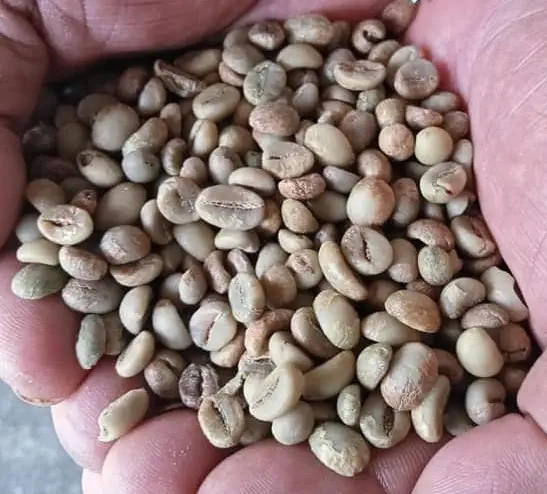
| Bean Shape | Small, round, with a straight crease. | Larger, oval, with an S-shaped crease. |
| Growing Climate | Thrives in hot, humid climates (22-30°C) at low altitudes (0-800m). | Prefers mild climates (15-24°C) at high altitudes (600-2000m). |
| Price | Generally less expensive due to higher yields and easier cultivation. | Generally more expensive due to delicate nature and specific growing needs. |
| Common Use | Espresso blends, instant coffee, traditional Vietnamese coffee. | Specialty single-origin pour-overs, drip coffee, lighter espresso blends. |
A Resilient History: The Origins of Robusta
The story of Robusta is a story of survival. While Arabica had been cultivated for centuries in Ethiopia and the Arabian Peninsula, Robusta was a relative latecomer to the global stage. It was first formally identified growing wild in the Congo Basin (then the Belgian Congo) in the late 19th century.
Its rise to prominence was born out of crisis. In the mid-1800s, a devastating fungal disease known as coffee leaf rust swept through the world’s Arabica plantations, particularly in Southeast Asia. Entire crops were wiped out, and the global coffee industry was on the brink of collapse.
In this moment of desperation, planters discovered the hardy Coffea canephora. It was not only immune to this devastating rust but also produced higher yields in climates where Arabica struggled. Its “robustness” made it the perfect solution. From Africa, it was quickly transported to Southeast Asia, with Vietnam and Indonesia becoming its new strongholds. Today, Vietnam is the world’s largest producer of Robusta, which has become deeply ingrained in its culture.
Unpacking the Flavor Profile: What Does Robusta Taste Like?
Robusta has long fought a reputation for being harsh, bitter, or even rubbery. While low-quality, poorly processed Robusta can certainly taste that way, high-quality Robusta offers a complex and rewarding flavor profile that is simply misunderstood.
To truly appreciate it, you have to know what to look for:
- The Dominant Notes: The primary flavor is one of deep, unapologetic boldness. Think of dark, unsweetened chocolate, toasted nuts, and a pleasant earthiness. It’s a flavor that doesn’t hide.
- Acidity and Bitterness: Robusta has very low acidity, meaning it lacks the bright, wine-like tang of many Arabica coffees. This low acidity is often mistaken for bitterness. While it does have a more bitter finish (due to higher caffeine and lower sugar content), a well-brewed cup should feel smooth and deep, not astringent.
- Body and Mouthfeel: This is where Robusta truly shines. It has a full, heavy body and a viscous, almost syrupy mouthfeel. It coats your palate in a way that lighter coffees simply can’t, making it a deeply satisfying experience.
- The Crema King: The secret to Robusta’s incredible crema lies in its lower lipid content. During the high-pressure extraction of espresso, the coffee’s oils emulsify with water. Because Robusta has fewer oils, the bubbles in the foam are stronger and more stable, creating a thick, rich, and long-lasting crema that is the visual hallmark of a great shot.
The Caffeine Kick: Just How Strong is Robusta?
If you’re drinking coffee for its stimulating effects, Robusta is your undisputed champion. On average, a Robusta bean contains about 2.5% caffeine by weight, though some can reach as high as 4.5%. This is nearly double the 1.5% average of an Arabica bean.
What does this mean for your cup? A typical 8-ounce cup of drip-brewed Arabica coffee might contain around 95 mg of caffeine. The same cup brewed with Robusta could easily contain 180-200 mg or more.
This intense caffeine content isn’t a fluke; it’s a brilliant evolutionary advantage. Caffeine is a powerful alkaloid that acts as a natural insecticide and pest repellent, protecting the Coffea canephora plant from being eaten in the harsh, low-altitude environments where it grows. For the coffee drinker, this translates to a powerful, fast-acting jolt of energy that is perfect for early mornings, late-night study sessions, or a pre-workout boost.
How to Brew Robusta Coffee for the Best Flavor
Brewing Robusta is all about managing its intensity. Its bold flavors and potential for bitterness mean that it excels with certain methods that either embrace its strength or mellow its harsh edges. Forget your delicate pour-over; these are the methods where Robusta truly comes alive.
Espresso
This is Robusta’s natural home. The high pressure and fast extraction of an espresso machine pull out the deep, chocolatey flavors and produce that signature, beautiful crema. Most traditional Italian espresso blends include 10-15% Robusta to add body, crema, and that classic “kick.”
- Pro-Tip: Use a slightly finer grind than you would for 100% Arabica and consider a slightly lower water temperature (around 90-92°C or 195-198°F) to avoid extracting too much bitterness.
Vietnamese Phin Filter
This traditional, slow-drip method is arguably the best way to experience Robusta. The phin is a small metal filter that sits on top of a glass. The coarse-ground coffee is steeped with hot water and drips slowly, creating a thick, powerful concentrate. This potent brew is then famously mixed with sweetened condensed milk, whose sweetness and creaminess perfectly balance Robusta’s intensity, creating the iconic cà phê sữa đá (Vietnamese iced coffee).
Moka Pot
The Moka pot is a stovetop brewer that uses steam pressure to push water through coffee grounds. It’s the perfect at-home tool for creating a strong, espresso-like coffee without an expensive machine. It highlights Robusta’s full body and deep, nutty flavors, producing a rich and satisfying cup.
- Pro-Tip: Use a medium-fine grind and remove the Moka pot from the heat as soon as it starts to gurgle to prevent a burnt, metallic taste.
Cold Brew
Cold brewing is a fantastic way to tame Robusta’s bitter edge. By steeping coarse-ground coffee in cold water for 12-24 hours, you get a very different kind of extraction. The slow, cold process pulls out the smooth, chocolatey, and nutty flavors while leaving many of the bitter compounds and acids behind. The result is a super-smooth, low-acid, and highly caffeinated concentrate that is delicious over ice.
Is Robusta Coffee Right For You?
The choice between Robusta and Arabica ultimately comes down to personal preference.
You’ll love Robusta if:
- You crave a powerful caffeine boost to start your day.
- You prefer strong, bold, and intense coffee flavors over delicate, fruity ones.
- You are a fan of traditional espresso with a thick, rich crema.
- You enjoy milky, sweetened coffee drinks like lattes or Vietnamese iced coffee, where the coffee flavor needs to cut through.
You might want to stick with Arabica if:
- You are sensitive to caffeine.
- You enjoy the nuanced, bright, and acidic flavors of single-origin specialty coffee.
- You primarily drink your coffee black using methods like pour-over or drip.
Frequently Asked Questions (FAQ)
Is Robusta coffee bad quality?
Not at all. This is the biggest misconception. While Robusta is often used for lower-grade commodity and instant coffee, the world of “Fine Robusta” is growing rapidly. Just like with Arabica, the quality of the bean depends on where it’s grown, how it’s processed, and how it’s roasted. A carefully cultivated and processed Robusta can be just as complex and delicious as a specialty Arabica.
Why is Robusta cheaper than Arabica?
The price difference is due to the simple economics of farming. The Robusta plant is hardier, more disease-resistant, and produces a higher yield of coffee cherries per plant. It can be grown in a wider range of climates, making it easier and less risky for farmers to cultivate. This abundance and ease of growth lead to a lower market price.
Is all instant coffee made from Robusta?
The vast majority of it is. Robusta’s strong, bold flavor profile holds up exceptionally well during the freeze-drying or spray-drying process used to make instant coffee. Its lower cost also makes it the ideal choice for large-scale production. While some niche brands offer 100% Arabica instant coffee, Robusta remains the industry standard.
Conclusion: Give Robusta a Chance
Robusta is more than just a caffeine delivery system; it’s a coffee with a unique identity, a rich history, and a flavor profile that, when understood and properly brewed, is deeply rewarding. It’s the force behind the perfect espresso crema, the soul of Vietnamese coffee culture, and a testament to resilience.
So, the next time you’re at a specialty coffee shop, don’t be afraid to ask about their espresso blend or if they have any high-quality Robusta beans. Step out of your comfort zone, brew a cup using a Moka pot or a phin, and experience its bold, unapologetic character for yourself.
What are your thoughts on Robusta? Share your experience in the comments below!
